How ForMotion Helps Patients with Congenital Limb Differences
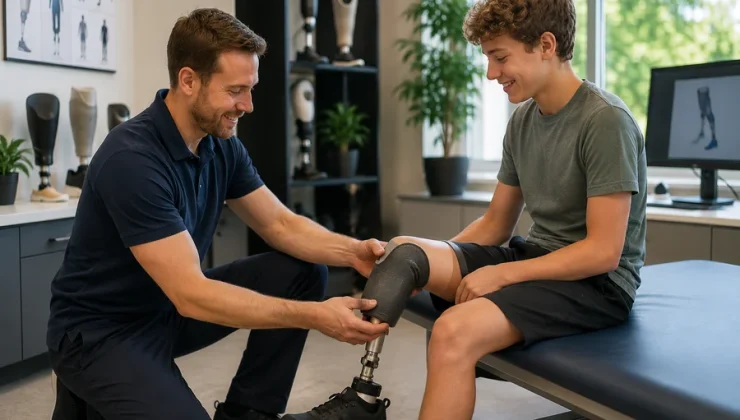
ForMotion is an international network of orthotic and prosthetic clinics providing specialist mobility solutions to patients with a wide range of needs, including those born with congenital limb differences. Each clinic offers a personalised patient journey, from initial consultation through to custom fitting and long-term adjustment support. This article addresses common misconceptions about accessing this kind of specialist care.
You Need a Referral to Visit
One of the most persistent myths is that you cannot visit without a formal referral from a GP or hospital consultant. That simply is not the case for self-funding patients. If you are paying privately, you can book a consultation directly with no paperwork from another clinician required.
For patients seeking partial funding, the picture is slightly different. ForMotion holds agreements with national health insurance bodies in several countries, meaning eligible patients can receive financial support toward their device. That route does require a medical referral, but the clinic team can advise you on how the process works in your specific country.
Nobody should delay seeking help because they believe a referral is a prerequisite. It is not.
Devices Are All Off the Shelf
A common worry among people born with limb differences is that clinics will fit them with a standard, mass-produced device. Congenital presentations vary enormously — two patients with a similar diagnosis can have very different anatomy, and a one-size solution rarely works well for either of them.
Before any device is made, ForMotion specialists carry out a thorough physical assessment to understand the shape, soft tissue distribution, and functional range of the affected limb. The measurement and fabrication methods used typically include:
- Plaster casting to capture a precise negative impression of the limb’s shape
- 3D scanning for highly accurate digital models that can be refined before production
- Manual measurements taken at multiple points to cross-reference with casts or scans
- Custom socket shaping, where the prosthetic socket is individually sculpted for stability and comfort
- Trial fitting sessions where the patient tests the device and provides feedback before final adjustments
Congenital limb differences almost always call for something individually made. The goal is a device that fits your body — not one that asks your body to adapt.
First Appointments Feel Transactional
Walking into a specialist clinic for the first time can feel daunting. Some patients expect to be measured, quoted a price, and sent on their way.
That is not how it works. Every patient who enters a ForMotion clinic receives a personalised consultation designed around listening first — understanding your daily routine, your physical challenges, and what you actually want to achieve.
No solution is recommended until those conversations have happened. The collaborative approach shapes everything that follows, from the type of device considered to the timeline for fitting and follow-up.
Care Ends After Collection
Collecting a finished prosthesis or orthosis can feel like the end of the process. For patients with congenital limb differences, the weeks and months after fitting are where the real fine-tuning happens.
ForMotion builds ongoing support into the care model as standard. The post-fitting support process typically involves:
- An initial follow-up appointment to assess fit, pressure points, and alignment after daily use
- Adjustments to socket shape, padding, or structural components based on patient feedback
- Ongoing check-ins as activity levels change or the patient’s needs evolve
- Long-term access to the clinical team for repairs, refitting, or upgrades
Needs change. A device that worked well six months ago may need refinement.
Congenital Limb Differences Require Specialist Experience
There is an assumption that prosthetic and orthotic clinics primarily serve people who have lost a limb through accident or illness. Patients born with limb differences sometimes wonder whether they fall outside the typical scope of care.
They do not. ForMotion’s specialists have direct experience working with congenital presentations, and the full patient journey — from consultation through custom fabrication to long-term adjustment — is equally available to those born with a limb difference. The anatomy may differ from an acquired amputation, but the clinical process adapts to each individual rather than following a rigid template.
Genuine specialist care is not about fitting the patient into an existing category. It is about building a solution around the person who is actually in the room.