Why Horror Masks Create the Ultimate Scary Halloween Experience?
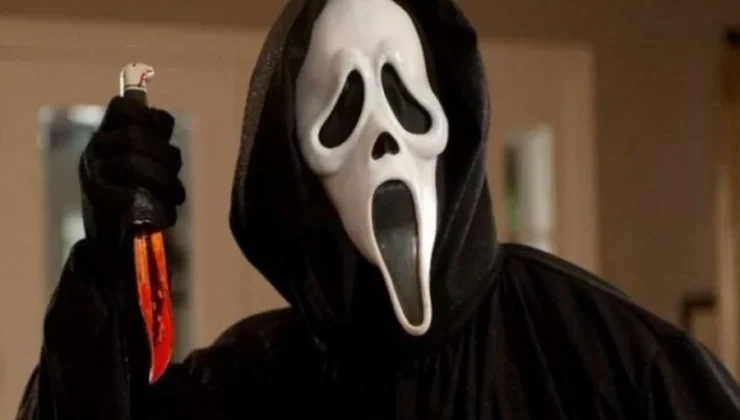
Horror masks tap into deep psychological fears that trigger genuine emotional responses in viewers and wearers alike. costume masks designed for frightening effects exploit primal human instincts about facial recognition, threat assessment, and the unknown. These specialized designs create authentic scary experiences by obscuring familiar human features while presenting disturbing or threatening visual elements. The psychological impact of horror masks surpasses other costume elements in creating memorable, frightening encounters.
Psychological fear triggers
Horror masks activate fundamental psychological responses rooted in human survival instincts. The human brain processes face automatically, seeking familiar patterns and emotional cues for threat assessment. When masks disrupt these normal recognition processes, they create immediate unease and anxiety. Distorted facial features, unnatural proportions, and threatening expressions bypass rational thought to trigger instinctive fear responses. Effective psychological triggers include:
- Asymmetrical facial features that violate natural human proportions
- Hollow or darkened eye sockets that obscure natural eye contact
- Exaggerated teeth or mouth features suggesting predatory threats
- Skin textures that appear diseased, rotted, or unnaturally damaged
- Color schemes using unnatural skin tones or blood-like staining
These design elements work together to create visceral reactions that rational thinking cannot easily override, making horror masks particularly effective for scary Halloween presentations.
Unpredictability of anonymity
Masks remove the wearer’s identity, creating uncertainty about their intentions and behavior. This anonymity factor amplifies fear because observers cannot read facial expressions or predict actions based on familiar social cues. The unknown element behind the mask generates anxiety as people struggle to assess potential threats from masked individuals. Anonymous horror masks eliminate normal social interaction patterns, forcing observers to rely on body language and vocal cues alone. This communication barrier creates tension and discomfort that enhances the overall frightening atmosphere during Halloween encounters.
Visual transformation power
High-quality horror masks completely alter the wearer’s appearance, creating convincing illusions of supernatural creatures or dangerous entities. The dramatic visual transformation shocks viewers who witness ordinary people becoming terrifying beings. This metamorphosis effect proves particularly powerful when friends or family members become unrecognizable through mask application. Transformation elements include realistic texture work that mimics damaged or inhuman skin, three-dimensional features that extend beyond natural facial boundaries, color gradients that create depth and believable damage effects, hair or fur attachments that complete creature illusions, and proportional changes that alter head shape and size perception. These comprehensive transformations create believable scary characters that suspend disbelief and generate authentic fear responses.
Sensory disruption effects
Horror masks alter normal sensory experiences for both wearers and observers. Restricted vision through eye holes’ changes how masked individuals move and interact, creating unsettling behavioral patterns. Muffled speech and altered breathing sounds contribute to the unnatural atmosphere surrounding masked characters. Sensory disruption includes limited peripheral vision that causes jerky or unnatural movement patterns, modified voice projection that creates eerie or threatening vocal qualities, restricted facial expressions that eliminate normal emotional communication, altered spatial awareness leading to unpredictable proximity behaviors, and breathing modifications that produce unsettling sounds through mask materials.
Primal fear exploitation
Effective horror masks exploit evolutionary fears embedded in human psychology. Designs incorporating elements that historically represented danger to early humans trigger deep-seated anxiety responses. These primal fears include predator characteristics, disease symptoms, and death imagery that resonate beyond conscious recognition. Common primal fear elements feature:
- Predatory animal characteristics like fangs, claws, or hunting expressions
- Disease indicators such as rotting flesh, open wounds, or discoloration
- Death imagery, including skeletal features, decomposition, or ghostly pallor
- Insect or parasite features that suggest contamination or infestation
- Supernatural elements that violate natural laws and expectations
Creating genuinely frightening Halloween moments with horror masks relies on their ability to bypass rational thinking and connect directly with instinctive human responses.