
What Auto Transport Companies Offer in The Midwest
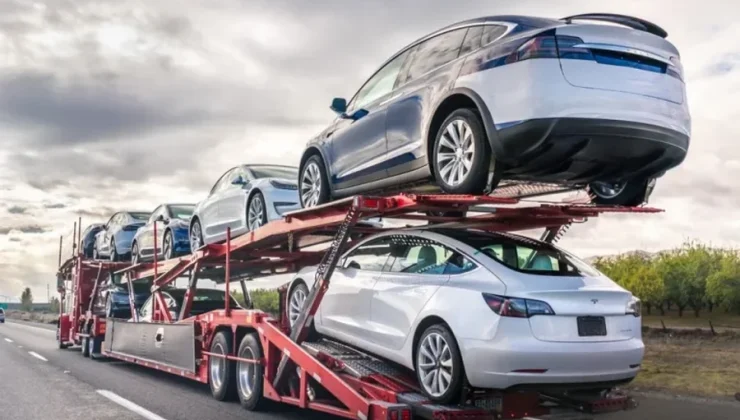
Car shipping across the Midwest, particularly in Illinois, presents unique challenges and opportunities for vehicle transportation. Navigating the complexities of transporting your vehicle to its destination, especially through multiple states, is no easy task. This sector has its own challenges and its own solutions to ensure the safe delivery of vehicles.
This piece looks at how transportation is managed by auto transport companies Illinois and similar organizations across such a broad region. Understanding these services helps customers make informed decisions when selecting reliable transportation providers.
Understanding the Midwest Terrain
Plains, hills, and urban centers—the Midwest has it all. Each presents different logistical considerations. An open stretch of highway might provide a direct path, while city streets require precision navigation. Organizations need to adapt their processes across various areas, improving efficiency and safeguards.
Seasonal Challenges
Midwest transportation faces significant weather-related factors. The harsh winters can cause snow and ice on major routes, making transportation difficult and increasing the chance of delays. On the other hand, storms can disrupt operations. Established shipping companies with years of operational experience prepare for these instances, and often, their planned schedules include flexibility to address weather-related disruptions.
Vehicle Protection Measures
The safety of vehicles during transport remains the number one priority for professionals. For this purpose, car carriers, such as enclosed carriers used by companies, help keep cars away from elements and debris. These carriers protect vehicles against extreme weather conditions and road hazards, ensuring vehicles remain in top-notch condition. Moreover, drivers are trained to handle unexpected situations, providing an added layer of protection for the cargo.
Route Planning and Optimization
On-time deliveries require careful planning of optimal routes. Sophisticated software helps businesses identify the best routes, considering traffic flow, road conditions, and other possible disruptions. This technology not only allows firms to reduce transit times and decrease fuel consumption but also improves overall efficiency and sustainability.
Regulatory Compliance
Many regulations apply when shipping across state lines. Legal compliance includes transportation permits and safety regulations that companies must follow. According to the Federal Motor Carrier Safety Administration, staying updated on these laws is crucial for legitimate operations. Most importantly, compliance prevents legal issues while allowing operations to run smoothly. Trained staff are essential in meeting these regulations, ensuring every process complies with state and federal standards.
Cost Management
The challenge remains in balancing costs with quality service. Every factor affects the overall price, including fuel costs, maintenance, and labor. To provide competitive pricing options, companies streamline their operations and adopt cost-effective solutions. Many offer bulk shipping discounts and partnerships with service providers to help provide competitive rates for customers.
Customer Communication
Clients require proper communication throughout their transactions. Businesses send shipment status updates, estimated delivery times, and potential delay notifications. This transparency fosters trust and enables customers to plan accordingly. Dedicated customer service teams handle all inquiries quickly, adding significant value to the overall experience.
Environmental Considerations
In the transport industry, sustainability is becoming a predominant issue to address. Many companies prefer eco-friendly practices by using fuel-efficient vehicles and optimizing routes to help reduce emissions. Embracing these practices not only helps the environment but also aligns with customer expectations of responsible business operations.
Insurance and Liability
Complete insurance coverage protects assets during transit. Organizations provide policies that cover any loss or damage that may occur. Having a clear understanding of liability and providing transparent terms in agreements further enhances trust and accountability between companies and customers.
Driver Expertise and Training
Success largely depends on skilled drivers. From safety protocols and emergency procedures to advanced vehicle handling techniques, companies invest in extensive training programs to meet industry requirements. Skilled drivers can navigate challenging routes without issues and deliver vehicles on time and safely.
Technology Integration
Modern technology plays a crucial role in transportation logistics. The use of GPS tracking, real-time updates, and automated systems streamlines operations and improves efficiency. These tools help companies monitor shipments in real time, providing valuable insights into potential issues and enhancing the overall quality of their services.
Conclusion
The art of car shipping across the Midwest is just that–a complex interplay of strategies and considerations. Innovative solutions and an understanding of the regional challenges allow companies to transport goods reliably and efficiently. They not only fulfill customer expectations but also set an industry standard for similar kinds of services.