
The Role of Rope Access in Modern Building Restoration
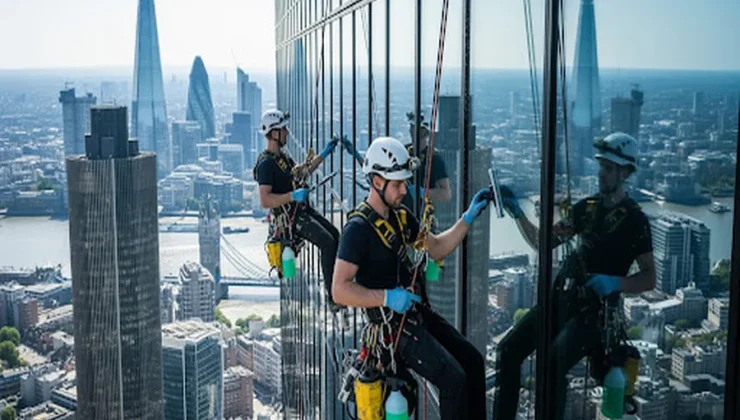
Modern building restoration, especially for the growing number of skyscrapers and detailed heritage sites, brings many tough access problems. How do teams reach great heights and tricky facades safely, quickly, and without major disruption? More and more, the answer is rope access.
This method uses ropes, harnesses, and climbing gear to carry out work at height. It has changed how cities look after and renew buildings. It is cost-effective, faster than many old methods, safer by design, and kinder to the environment. For example, to keep London’s towers spotless, services like window cleaning in London rely on the accuracy and flexibility rope access gives.
Rope access grew from climbing and caving into a skilled trade because buildings kept getting taller and designs more complex. Scaffolding and cranes still have their place, but they can be slow, heavy, and costly for many jobs.
Rope access offers a quick, precise way to reach hard spots, letting trained technicians move through complex shapes and reach areas that would be out of reach without large setups.
What Is Rope Access and How Does It Work?
Rope access, also called industrial abseiling, is a safe way to work at height using ropes, harnesses, and climbing devices to position workers. Unlike scaffolding or MEWPs, it needs little ground setup. It depends on well-trained people who can go up, down, and across building faces.
It started in climbing and caving, where safety, speed, and adaptability matter most. Over time, those ideas became strict rules and training for industry work.
The main goal is to set up a secure, temporary work position so technicians can carry out many tasks with little setup and little impact on the site.
Core Techniques Used in Rope Access
Rope access uses a set of proven methods to stay safe and work effectively:
- Two-rope system: one working line and one backup line, each on separate anchors
- Ascenders and descenders for moving up and down
- Rope techniques for crossing horizontal or angled features
- Independent anchors to add redundancy
Technicians also handle:
- Rigging and de-rigging
- Detailed gear checks before and after use
- Rescue methods for different scenarios
- Load limits, choosing anchor points, and spotting hazards
This wide skill set lets teams work on glass fronts and historic stone with care and accuracy.
Why Rope Access Is Changing Modern Building Restoration
Buildings are getting taller and more complex, and many older ones need careful repair. Old access methods often struggle with speed, reach, and cost. Rope access answers these needs with speed, precision, and low impact, reshaping how projects are planned and delivered.
From glass-and-steel towers to delicate heritage sites, rope access deals with tight access, time pressure, and the need to avoid disruption. It has become a key option for owners and managers who need reliable results.
Overcoming Access Challenges on High-Rise and Heritage Structures
Very tall buildings with complex shapes are hard to reach. Scaffolding to great heights can be slow, expensive, and impractical. Cranes may not reach every spot. Rope access teams can move around curves, irregular fronts, and tight corners that other methods cannot reach. This makes full maintenance and repair possible across the whole facade.
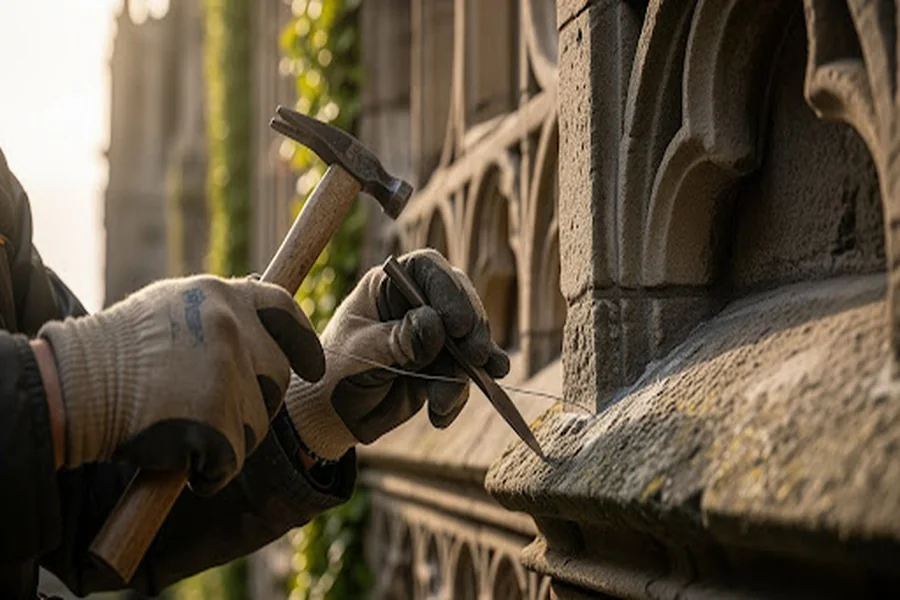
On heritage buildings, protecting the fabric is a priority. Rope access keeps physical impact low, so delicate work can be done without heavy machines or major changes to the structure. Working close to the surface with light touch is especially helpful on listed stone buildings where original details must be kept.
Speed and Flexibility in Restoration Projects
Rope access is fast to set up and remove, unlike scaffolding or lifts that can take days or weeks. This cuts downtime and labour costs, and work can start almost right away. It also makes it easier to adjust to weather or sudden changes without big extra costs.
This agility fits busy cities where schedules are tight. Whether it is an urgent repair or planned work, rope access allows quick action that prevents small faults from becoming big problems and keeps key tasks moving.
Precision and Minimal Disruption for Occupied Buildings
Rope access allows close-up inspection and repair, so issues like cracks, corrosion, or damaged cladding can be handled with careful detail. The setup is small and quiet, so life inside and around the building carries on. Unlike scaffolding or cranes, rope teams take little ground space and do not block pavements, roads, or entrances.
This helps offices and homes keep running. Lower noise and less visual impact also make it suitable for busy urban sites where people live and work.
Major Benefits of Rope Access for Building Restoration
Choosing rope access is a smart shift backed by clear gains. It cuts costs, supports safety, and lowers environmental impact, giving owners a practical way to maintain buildings well and keep them in good shape for longer.
It also helps projects run smoothly, bringing together speed, care, and sustainable methods.
Reduces Project Costs Compared to Scaffolding
Rope access often costs less than scaffolding or cranes. Those systems need high rental fees, permits, transport, storage, and many hours of setup and removal. Rope access avoids most of that. Lightweight gear and skilled people keep hire, labour, and total costs down.
With smaller teams and faster work, downtime drops and clients save money. This makes rope access a strong choice for routine cleaning and complex repairs alike.
| Factor | Scaffolding/Cranes | Rope Access |
| Setup time | Days to weeks | Hours |
| Ground footprint | Large | Small |
| Access reach | Limited by layout | Flexible; hard spots reachable |
| Noise and disruption | High | Low |
| Typical cost | Higher | Lower |
Improves Worker Safety and Site Security
Rope access has one of the lowest incident rates among work-at-height methods. This record comes from strict training, clear rules, and constant gear checks. Technicians complete certified courses that cover skills, risk checks, equipment use, and emergency steps.
By removing large scaffold structures, rope access also reduces hazards like falling debris or unwanted access to platforms. The two-rope setup and advanced gear add a safety backup, protecting both workers and the public.
Supports Sustainable and Eco-Friendly Restoration
Rope access uses human skill and light equipment instead of fuel-heavy machines. Energy use is low, there are no oils or fuels on site, and emissions are near zero during work.
With little transport, no big assemblies, and less material use, the total carbon footprint drops. Lower noise and vibration also help in sensitive areas or busy city centres where low impact matters.
Common Building Restoration Tasks Performed via Rope Access
Rope access suits a wide range of tasks, from cleaning to detailed repair. It gives accurate access to hard-to-reach places and helps keep buildings strong and good-looking.
Below are frequent uses that show how rope teams handle regular maintenance and complex fixes.
Facade Cleaning and Protective Coating
Facades collect dirt, pollution, and organic growth. Rope access offers fast, full cleaning to bring back the look of the building. Methods include DOFF cleaning to remove paint, graffiti, algae, and stains, and soft washing for delicate render or cladding. Technicians can also apply protective coatings to guard against water, weather, and wear, which helps materials last longer.
Stone, Brick, and Concrete Repairs
Older and heritage buildings often have detailed stone, brick, and concrete that need careful work. Rope access lets technicians clean, repair, and colour-match stone with precision.
Brick services like repointing, tinting, and cleaning can be done neatly to combat decay and keep strength. Concrete repairs-from patches to crack injection-are handled at height before small flaws grow into major issues.
Window and Cladding Restoration
Windows and cladding shape both the look and performance of a building. Rope access is ideal for high-rise window cleaning, delivering a streak-free finish without bulky equipment. Teams can also restore glass, fix cladding, seal leaks, and install items like shades or trims. Working close to the surface keeps these parts in good order without fuss.
Graffiti and Stain Removal
Graffiti and hard stains hurt a building’s appearance and can be tough to remove at height. Rope access allows cleaners to reach the marks safely and treat them effectively. With the right products and methods, they can clean brick, stone, wood cladding, and metal, bringing surfaces back to a clean state. Fast action helps protect property value and a professional look.
Leak Detection and Roof Repair
Water ingress can cause serious and costly damage. Finding the source on roofs or tall areas can be hard. Rope access teams carry out close inspections using tools like thermal cameras and moisture tests to find the exact point. They then repair slipped slates, broken tiles, and failed seals, apply waterproofing, and clear gutters, keeping the building watertight and protected.
Rope Access Restoration for Different Types of Buildings
Rope access fits many building types, from new towers to historic landmarks. It provides solutions that match each site’s materials, shape, and age, while keeping disruption low.
Here’s how it applies across common categories.
High-Rise Office and Residential Towers
Very tall office and residential towers need constant exterior care. Rope access suits these buildings well. It allows large-scale window cleaning, which protects both appearance and value. Teams also run detailed facade checks, repair cladding, seal leaks, and handle many other tasks without heavy ground setups. Daily life for tenants and staff is barely affected.
Historic and Heritage Sites
Heritage work needs a light touch and respect for old materials and methods. Rope access keeps contact low and lets specialists repoint masonry, clean stone with gentle systems like DOFF, and repair structural parts while keeping original details. The precise approach helps protect features that cannot be replaced.
Commercial and Industrial Complexes
Factories, warehouses, retail centres, and similar sites often have big facades and equipment at height. Rope access offers a flexible way to keep them in shape. Tasks include cleaning large glass areas, repairing signage and lighting, checking and servicing rooftop HVAC, and surveying beams and supports. In industrial plants, rope teams also help maintain cranes, silos, and process gear, keeping operations safe and efficient.
Institutional and Public Buildings
Schools, hospitals, government buildings, and museums mix old and new parts and need steady care. Rope access covers cleaning and fixing facades and windows, plus roof and gutter work. Quiet setups and small teams mean little disruption to students, staff, and visitors, while the buildings stay safe and welcoming.
Addressing Urban Restoration Challenges with Rope Access
Cities are crowded and space is tight. Access is limited, and work must keep daily life moving. Rope access fits city sites well because it needs little ground space and adapts fast to changing conditions.
Its flexibility and small footprint make it a strong option where traditional methods are hard to deploy or too costly and disruptive.
Working in Dense Cityscapes and Tight Sites
In narrow streets and busy centres, there is often no room for scaffolding or large cranes. Close buildings, constant traffic, and tight access make logistics tough. Rope access can be rigged from roofs or strong anchors, letting teams descend and work without taking up valuable ground space.
This helps keep projects moving in busy areas where every square metre matters, cutting queues and clutter while maintenance goes ahead.
Reducing Disruption to Occupants and Businesses
Scaffolding can block windows, cut light, limit entrances, and add noise. Cranes can also disturb nearby spaces. Rope access is far less intrusive. It is quieter and far less visible than a full scaffold wrap. Businesses keep trading, and residents carry on with their day.
Fast, discreet work keeps city life flowing while buildings get the care they need.
Safety Standards and Training for Rope Access Technicians
Safety is the base of rope access. Working at height carries risk, so gear, methods, and planning are built around strong safety practice.
This is delivered through strict training, international standards, and a constant focus on readiness, which is why rope access has such a strong safety record.
Relevant Certifications and Industry Regulations
Technicians train and certify with bodies like IRATA (Industrial Rope Access Trade Association) and SPRAT (Society of Professional Rope Access Technicians). These certificates show knowledge of safety rules, equipment use, rescue skills, and the physical techniques needed for height work. Training has levels, and technicians progress as they gain experience and prove skill on tougher jobs.
Rules from these bodies set clear requirements across the globe. They cover equipment specs, inspection schedules, method statements, and risk evaluations for each task. Companies also follow local laws for working at height to stay legal and safe.
Routine Equipment Inspection and Maintenance
Gear must be in top shape. Ropes, harnesses, descenders, and karabiners get strict checks on a regular schedule. Technicians do pre-use checks, and certified staff run deeper inspections. Any worn or out-of-date item is removed from service right away.
This careful approach to gear management keeps mechanical failure risk low and gives teams confidence in their systems.
Emergency Protocols and Rescue Readiness
Prevention is the first line, but teams also plan for emergencies. Every job includes a clear rescue plan. Technicians learn self-rescue and how to help a co-worker at height, from simple pick-offs to complex rescues.
Rescue equipment, roles, and steps are planned in advance so any incident gets a fast, effective response.
Choosing a Rope Access Company for Building Restoration
Picking the right rope access firm matters. The outcome, safety, and speed of your project depend on the provider’s skill and standards. It’s about doing the job right, safely, and on time.
Here are key points that help you select a strong partner and get the result you want.
What to Look For in a Qualified Rope Access Provider?
- Certifications: Check that technicians hold current IRATA or SPRAT cards. This shows solid training and tested skills.
- Safety record: Ask about incident rates, procedures, and compliance with local height-safety rules.
- Service range: Pick a firm that can handle cleaning, repairs, inspections, coatings, and more. A wider offering often means smoother delivery.
- Environmental approach: Choose a company that reduces waste and energy use on site.
Importance of Proven Experience and Transparent Communication
Experience matters. Look for case studies, references, and a portfolio that matches your building type and needs. A long track record shows they can solve problems in real conditions and deliver quality work consistently.
Clear communication also matters. A good provider will share detailed proposals, explain methods, give regular updates, and respond quickly to questions. This builds trust and keeps everyone aligned on goals and progress.
Trends and the Future of Rope Access in Restoration
Rope access keeps moving forward to meet the needs of modern buildings and higher standards for speed, safety, and sustainability. As towers rise and materials change, rope teams adopt new tools and methods to stay effective.
Expect more use of advanced materials and digital tools that make planning and work at height even more accurate.
Adoption of New Materials and Techniques
As new facade materials and repair products arrive-lighter, stronger, and longer-lasting-rope access teams adjust methods to use them. These include modern sealants, composite repair kits, and protective coatings with longer life and lower impact. Cleaning tech is also improving, from laser cleaning on delicate heritage surfaces to better water-recovery systems for facade washing.
Rope methods will keep getting refined, with smarter rigging for unusual shapes and precision tools for fine detail on sensitive sites. This opens the door to even more accurate work at height.
Integration with Digital Building Management and Drones
Digital tools are reshaping inspections and planning. Drones with high-res cameras and thermal imaging can scan large areas first, spotting cracks, damp, or movement from a safe distance. Rope teams then target exact points, saving time.
Data platforms and augmented reality can guide technicians with live drawings, repair notes, and diagnostics in their field of view. Linking rope access findings to building management systems supports predictive maintenance, better resource planning, and long-term care of the structure.