Steps Involved in Professional Furnace Installation
A furnace helps keep us warm during the winter months. For Dayton homeowners, putting up a new one is not a simple task. If you understand how it works, you can ensure efficiency, safety, and longevity. That’s why working with experienced professionals makes all the difference in achieving the best results.
Professional furnace installation involves a series of critical steps that ensure optimal performance. In this article, we highlight the key steps of Dayton Expert Furnace Installation to help ensure your experience goes smoothly and your home stays comfortable throughout the cold season. Let’s explore each phase of the installation process in detail.
Assessment and Planning
A comprehensive assessment of the home is critical before installation can occur. Professionals examine the size of the area, insulation quality, and specific heating needs. This helps to find the right size and type of furnace for your home. Selecting the appropriate model will help in saving money and ensure energy efficiency for years to come.
The assessment also incorporates ensuring there is adequate ductwork and ventilation in place. It comes down to proper airflow to get the best performance possible. All required changes should be determined at this stage. By being proactive, it avoids future problems and ensures the system operates at peak efficiency.
Gathering Necessary Materials
With planning done, the next step is to gather the tools and materials you need. Such as the furnace unit, the connectors, and any other accessories associated with it. Ensuring that all parts are available ahead of time helps you avoid unnecessary delays and keeps the installation on schedule.
Having the right tools ready is just as important. Tools like wrenches, screwdrivers, and other specialty equipment make for a seamless experience. This means technicians will be ready for every aspect of the installation process.
In addition to ensuring your furnace is installed correctly, it’s crucial to maintain other HVAC components for optimal performance. Regular maintenance can prevent unexpected breakdowns and extend the lifespan of your system. If you live in a warmer climate, you might also need to consider the condition of your cooling systems. For those in Florida, addressing any issues with your cooling unit is essential. If you find yourself in need of assistance, consider reaching out for air conditioner repair orlando to ensure your home remains comfortable year-round. By keeping both heating and cooling systems in top shape, you can enjoy a more efficient and reliable home environment.
Removing the Old Unit
When replacing a previous furnace, it is crucial to exercise great care during its removal. This requires shutting down power and fuel supplies for safety reasons. Next, the unit is disconnected from existing ductwork and electrical connections to prepare for removal.
Technicians will then methodically dispose of the old furnace. Proper disposal is also important—there are local regulations that you need to follow, as well as other environmental guidelines. This step is particularly required to pave the way for the new installation and ensure compliance with safety standards.
Installing the New Furnace
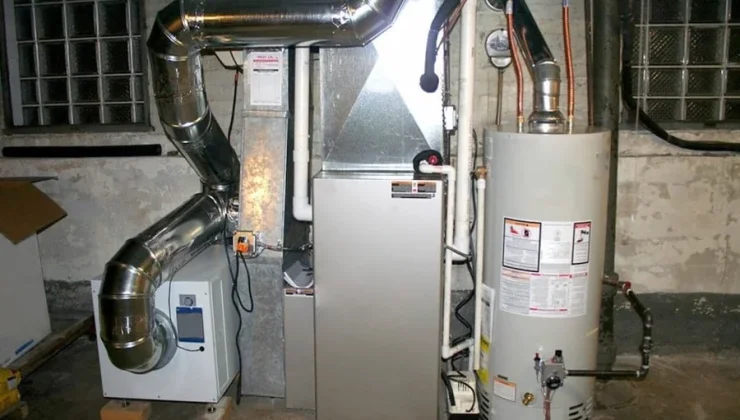
The new furnace can then be set in place once the old unit is removed. According to the Department of Energy, placement is important, with enough room for maintenance and proper air flow. The unit is then connected to existing ductwork and tightly secured to prevent any movement or vibration.
Electrical connections are carried out according to the manufacturer’s specifications. This eliminates the chance of air leaks if aligned and sealed correctly. As a result, this focus on details is essential to operation and saving energy over the long term.
Also, connecting the fuel supply is an important task. Irrespective of whether it’s natural gas, propane, or electricity, safety is the priority, always. Professionals ensure that all connections are thoroughly inspected, thus leaving no room for error concerning safety and system integrity.
Testing and Calibration
After installing, technicians perform a series of tests on it. This ensures everything is working how it should and in a safe manner. Experts inspect for leaks and test connections and airflow throughout the system.
Next is calibration, which sets the various parameters to match those of the heating demands of the home. This results in an optimally effective and comfortable heating experience. Technicians must test the thermostat and make sure it communicates properly with the furnace for accurate temperature control.
Educating the Homeowner
Part of professional installation is educating the homeowner. Knowledge about how to use and care for the furnace is key to longevity and performance. Experts offer advice on operating thermostats, changing filters, and scheduling regular maintenance to keep the system running smoothly.
Such education enables homeowners to use their heating system properly and efficiently. This will help you to prevent performance problems in the future by being aware of what signals a potential issue. It also adds an extra layer of peace of mind, as you know the system is in safe hands and you understand how to maintain it.
Conclusion
When one installs a furnace professionally, it goes through a series of critical steps, which lead to an effective outcome. Each step across the process, from initial assessment to final inspection, requires careful attention to detail, along with experience. This honest work is going into your home so that you can take advantage of a comfortable and efficient atmosphere, and once you know this process, you will learn to appreciate it. These steps help to ensure a reliable and efficient heating system for years, whether you are replacing an older unit or installing your first one.