
Crisis Management 101: How a PR Agency Can Save Your Reputation
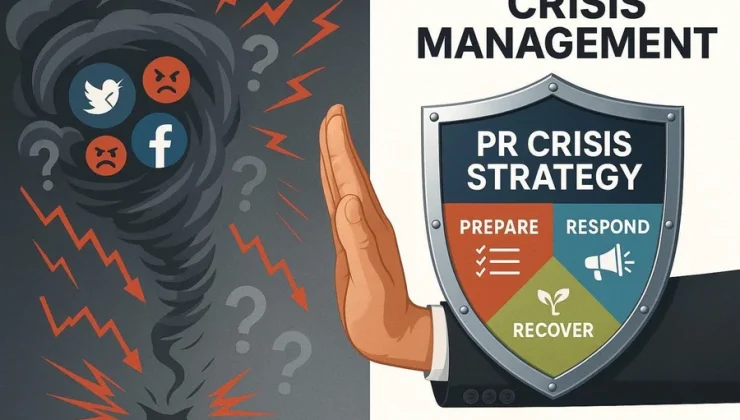
In today’s always-connected world, a company’s good name can be threatened in minutes by bad press, faulty products, or viral backlash. How can a PR agency protect your reputation when trouble hits? They move fast with clear, honest, and planned actions that reduce harm and can even help a brand prove its honesty and responsibility.
These experts guide companies through tough moments, making sure correct information reaches people before rumors spread. This quick, skilled help is important and can turn a serious problem into a chance to show strength and care for your community through a well-planned communication strategy.
News spreads in seconds, screenshots last, and opinions can change overnight, so reputation risk is higher than ever. A strong Public Relations (PR) plan is a lifeline in a crisis.
PR teams protect what you’ve built by writing clear and consistent messages, acting quickly and wisely, guiding the story, and choosing the right channels to reach the right people. Their aim is to fix the immediate issue and also protect long-term trust and rebuild your brand’s standing.
What is Crisis Management in Public Relations?
Crisis management in PR is the planned process of getting ready for, responding to, and recovering from events that threaten a company’s name, operations, or finances. It means taking control of the story instead of letting the problem define you. This work blends planning ahead with fast action to protect trust and limit harm.
Put simply, crisis management is more than damage control; it is smart communication and building reputation strength. In business, it’s rarely a question of if a crisis will happen, but when. Having a strong plan and experienced support is very important to handle these tough moments well.
Definition and Scope of a PR Crisis
A PR crisis is any event that can seriously hurt a company’s public image, relationships, or day-to-day work. It might come from inside the company or from outside events. It can be anything from a bad viral review to a major product recall, a leader’s public mistake, or a tweet that sparks widespread anger.
What separates an “issue” from a “crisis” is how urgent it is and how big the damage could be. A crisis often threatens safety, the environment, or reputation and calls for fast decisions and action. Online speed blurs these lines, making even small problems grow quickly if left unchecked.
Common Types of PR Crises Facing Organizations
Companies can face many kinds of PR crises, each with its own challenges. These may start inside or outside the business. Common types include:
- Product Failures and Recalls: When a product doesn’t meet promises or risks safety, leading to unhappy customers, bad reviews, and legal risk.
- Negative Media Reports and Social Media Backlash: Unfavorable coverage, viral complaints, or controversial posts (e.g., a founder’s remark, an insensitive ad) that spark outrage.
- Data Breaches and Cyberattacks: Security incidents exposing sensitive data, breaking trust, causing losses, and drawing penalties.
- Employee Misconduct or Executive Scandals: Unethical acts, discrimination, or legal problems involving staff or leaders hurt a company’s values and image.
- Operational Accidents or Natural Disasters: Factory accidents, environmental harm, or events like floods or pandemics that disrupt operations and raise safety concerns.
- Financial Crises: Drops in demand, loss of assets, or wider economic shocks that unsettle finances and investor confidence.
These situations show why full crisis planning that covers many risks and their effects matters.
Why Reputation is at Risk During a PR Crisis
During a PR crisis, trust is fragile and hard to rebuild. Reputation affects customer loyalty, staff morale, investor trust, and revenue. In a digital-first age, past actions and current responses face heavy public review.
The danger comes from fast-moving rumors, quick shifts in opinion, and the wide reach of negative news online. If handled poorly, a crisis can cost credibility, sales, talent, and investor backing. People value honesty, responsibility, and ethics. Falling short on these can bring strong backlash and long-term damage.
Why Reputation Protection Is Critical in a Crisis
Guarding reputation during a crisis is about protecting the core of the business and its future. Reputation is built over years through steady results, ethics, and good interactions. A crisis can undo that quickly, risking market share and loyalty. The damage can be deep and widespread.
Since information spreads fast and widely, every mistake is magnified and every response is examined closely. The public and stakeholders look for honesty and strong leadership.
Failing to protect reputation can start a downward spiral, which is why planning ahead and expert PR support are not just helpful but necessary.
Short- and Long-Term Consequences of Reputation Damage
Damage to reputation hits both right away and over time. In the short term, sales can fall as customers choose competitors. Stock prices may drop, investors may worry, and partners may pull back. Inside the company, morale can dip, productivity can fall, and turnover can rise. Media attention can grow and make communication harder.
Long-term effects can be even harder to fix. Loyalty may fade, making it tough to regain market share. Hiring strong talent gets harder. Regulators may add oversight or fines, raising costs and complexity. Growth, innovation, and access to loans can suffer.
Over time, brand value can shrink, even to the point of business failure if trust is not rebuilt with real actions.
How Public Perception Influences Business Recovery
Public perception often decides how well a business bounces back after a crisis. If people see a company as open, accountable, and serious about fixing the problem and stopping repeat issues, recovery is much more likely. This can keep customers, calm investors, and make media coverage fairer.
If people see evasiveness, blame, or a lack of care, recovery gets much harder. Negative views can stick and define the brand. Sales suffer, growth slows, and even regulators can be influenced. Recovery needs more than fixing operations; it depends on winning back hearts and minds through effective crisis communication.
Notable Examples of Brand Reputation Loss from Poor Crisis Management
Many brands have faced lasting harm due to poor crisis response. Oxfam’s 2018 scandal over staff misconduct in Haiti drew anger not only for the acts but for not sharing findings with stakeholders and regulators. The lack of transparency led to strong public and media criticism, partner concerns, and political scrutiny, deeply hurting trust.
In 2017, United Airlines forcibly removed a passenger from an overbooked flight. The video caused global outrage. Early statements seemed defensive and lacking empathy, which made things worse. The CEO’s delayed and weak response hurt the brand and stock value.
These cases show the original incident may be bad, but the real damage often comes from a poor, tone-deaf response.
How to Prepare Your Organization Before a Crisis Happens
“An ounce of prevention is worth a pound of cure” fits crisis work well. Waiting for a crisis to start planning is a major mistake. Preparation builds strength and gives clear steps during tough times. This means more than a document-it means a culture of alertness and readiness.
By spotting risks early and building strong systems, you can soften the blow of surprises and turn big problems into manageable ones.
Proactive Crisis Planning and Risk Assessment
Good crisis planning starts with an honest, ongoing risk review. Identify threats and weak spots unique to your business and industry. Think through many cases-product issues, staff misconduct, cyberattacks, natural events, and communication failures. Know what could go wrong and how big the effect might be.
For example, an IT firm will focus on outages and breaches; a food brand on contamination and recalls.
After spotting risks, build full strategies to handle them. Create a detailed crisis plan and form a crisis team with clear roles across HR, Legal, Marketing, and PR. Include steps for each scenario, message templates, spokesperson lists, and chosen channels. Review the plan often since risks and the business change all the time.
Ongoing Reputation Monitoring and Relationship Building
Beyond planning, you need constant reputation tracking and steady relationship building. With fast-moving news and opinions, staying aware of public mood is non-negotiable. Use social listening and media monitoring tools to track brand mentions, people, competitors, and trends. Set alerts for spikes and unusual activity for early action.
Build strong ties with media, customers, employees, investors, and community leaders. Ongoing media outreach helps correct facts and build trust before trouble hits. Keep employees informed to stop rumors and align inside and outside messages. Daily transparency and ethical behavior build goodwill that helps when a crisis comes.
Crisis Management Planning: What Should Be Included?
A strong crisis plan is your guide to survive and recover when trouble hits. It is a living framework that predicts problems and sets clear, coordinated steps.
Its power comes from being full, clear, and flexible so everyone-especially the crisis team-knows what to do under pressure. Without it, responses can be chaotic and mixed, making the problem worse.
Building a Complete Crisis Management Plan
Building a complete plan takes careful thought. Start by defining what a crisis means for your business and which events pose the biggest risks, plus how wide their impact could be. This base helps shape responses that fit your situation.
Set clear goals for crisis communication: protect people, safeguard assets, keep operations running, and protect reputation.
Include a clear chain of command, contact lists for key internal and external groups (media, legal, emergency services), and a central place for documents and tools. Note which channels you will use for each audience-press releases, social posts, internal memos, or direct messages.
Keep a proactive mindset with regular risk reviews and ongoing monitoring so the plan stays useful.
Selecting a Crisis Communications Team
A key part of any plan is a trained crisis communications team. This group runs all internal and external messaging. It should include senior people from PR, legal, HR, operations, and leadership. Give each person clear duties to avoid confusion and keep efforts aligned during high-pressure moments.
PR often leads media relations and message writing. Legal guides on liability and compliance. HR manages internal updates and supports staff. Pick and train primary and backup spokespersons who can speak clearly and show empathy. Hold regular drills so the team can move fast and work together when a real crisis occurs.
Identifying Potential Crises and Their Impact
List likely crises and review how they could affect you. Think through many scenarios: communication issues (e.g., offensive content), tech failures (e.g., outages, hacks), product problems (e.g., recalls), money troubles (e.g., cash flow), and natural events (e.g., floods, pandemics). Your industry will guide what to focus on.
Go beyond the list and study the impact. Which areas-money, operations, reputation-would be hit hardest? For an IT firm, a tech failure could cause large financial harm and hurt brand image, affecting future sales. Seeing how these effects connect helps you set priorities and build targeted responses, so you are not caught off guard.
Guidance on Media and Stakeholder Communications
Clear communication during a crisis is key, so a good plan must explain how to work with media and all stakeholders. Set rules for fast, honest, and consistent updates. Choose one point of contact for media to avoid mixed messages.
Tell staff not to answer media questions on their own; use approved statements only. Train spokespersons on what to say, what to avoid, and how to show integrity.
For employees, customers, investors, suppliers, and the community, outline channels and messages that fit their needs. Keeping employees up to date stops rumors and keeps everyone aligned. For customers, give timely updates through your website, social media, and email.
Track feedback, especially on social media, to understand concerns and respond quickly. The core rule: communicate clearly, consistently, and with real care.
Training, Review, and Updating of Crisis Plans
A plan, no matter how carefully built, works only if people can carry it out. Train the crisis team and the wider staff. Use workshops, drills, and outside experts to practice different scenarios.
Even staff not on the crisis team should know basic steps, where to send inquiries, and how to follow communication rules.
A crisis plan should change as the business and risks change. Review and update it often-at least yearly or after major changes. Refresh contact lists, add new tools and channels, and include lessons learned from real events or drills. Ongoing training and updates keep the organization ready and stronger over time.
How a PR Agency Responds to Crisis Situations
When trouble hits, a PR agency shifts from advisor to hands-on responder. They bring speed, experience, and a solid set of tools to manage the situation. Unlike internal teams that may be stretched thin, agencies add an outside view and proven methods. They act as the link between the company and the public, keeping messages clear and under control.
Immediate Actions PR Professionals Take
Once alerted, PR pros move fast with steps to limit harm and guide the story. First, they find out what happened, what failed, and how serious it is. They collect facts from the right people before making any public statements. They judge if it’s a small issue or a real crisis, since overreacting or underreacting can both cause harm.
They then activate the crisis plan, or build one quickly if needed. They pull together the crisis team, map out key audiences, and set up internal communication. Timing matters, so they act quickly but with care. They also start close media and social monitoring to track sentiment, key conversations, and coverage. This live insight shapes the next steps and messages.
Coordinating Internal and External Communication
One of the hardest and most important jobs for a PR agency is aligning internal and external messages. Inside the company, they keep staff informed. Employees are often asked about the situation and can either help or hurt the message. Clear internal notes, town halls, or dedicated channels help stop rumors and keep morale steady.
Outside the company, the agency manages media, customer, investor, regulator, and public updates. They write clear messages, choose the right channels (press releases, social posts, direct outreach), and prep spokespersons. They work with media to get accurate information out quickly and keep one steady voice for the company. This builds accountability and shows commitment to fixing the issue.
Developing and Delivering Holding Statements
Right after a crisis starts, details may be unclear. PR teams quickly prepare “holding statements” to acknowledge the situation, show concern, and tell people that the company is looking into it. These short updates buy time to investigate and avoid silence, which can look like indifference or a cover-up.
A good holding statement admits the issue, shows care for those affected, says an investigation is underway, and promises more updates. It avoids guesses, blame, and early promises. For example: “We are aware of the situation and are actively reviewing it. Our top priority is the safety and well-being of all involved, and we will share more confirmed information soon.”
Sharing this promptly helps calm reactions and sets a tone of transparency.
Key Steps in Effective PR Crisis Management
Strong PR crisis work balances speed, strategy, and sincerity. It follows a clear process that goes beyond reacting and involves ongoing review and adjustment. Each step connects to the next and calls for careful attention to details and effects on all groups involved.
Done well, these steps cut harm and set the stage for recovery.
Reviewing the Origin and Impact of the Crisis
The first and most important step is to review where the crisis started and how it could affect you. Before writing any message, teams need to know what happened, what triggered it, and who is affected. This means gathering facts, talking to people involved, and verifying details.
PR teams use social listening and media tools to find where the talk began, track spikes, and see how news and social platforms are covering it. This helps separate minor criticism from major attacks.
Next, outline the scope of the impact-financial, operational, and reputational. With a clear view of causes and effects, the team can set the right position and message. Without this base, the response can miss the mark and make things worse.
Choosing Appropriate Communication Channels
After the review, pick the best channels for updates. In a multi-platform world, a press release alone rarely works. The choice depends on the crisis type, who needs to hear the message, and how much control you need. If the crisis began on social media, reply there quickly and with empathy to address concerns and slow rumors. Social platforms allow instant talks but give less control.
For longer or formal updates, use your website, blog, or press releases. Email or direct messages can work for employees or investors. Plans should list channels for each crisis type. Agencies often mix channels to reach all audiences. The aim is to speak where people will see and trust the message.
Responding Rapidly to Minimize Damage
Speed matters. Delays invite rumors and a second wave of problems. While you need a quick review, you also need to speak up fast. Even if you don’t have all details, acknowledging the issue and promising an update soon can lower tension. A short holding statement shows you are engaged and taking it seriously.
Fast response doesn’t mean rushing sloppy messages. It means moving quickly with care: use pre-approved templates and a trained team. The first 24 hours are often the most important. Acting early helps you set the tone, reach the media and stakeholders, and keep control of the story.
Monitoring Media and Social Reaction
After the first updates, keep watching media and social response. This shows if messages are working and reveals new facts or themes. Agencies use media intelligence and social tools to track mentions across news sites, Facebook, Instagram, X, TikTok, forums, and review pages. They monitor sentiment, key voices, and the flow of the conversation.
Use this feedback to adjust your approach. If something isn’t landing, change it, share follow-ups, or address specific concerns. Catch and correct false claims before they spread. Track sentiment before, during, and after the crisis to see when things start returning to normal. This keeps your response timely and relevant.
Reporting and Learning Post-Crisis
When the immediate danger has passed, create a full report of what happened, what you did, and the results. Share it with leaders and key stakeholders to show accountability and a focus on improvement.
Then learn from it. What went well? What needs work? Were messages clear and fast? Did spokespersons perform well? Did channels reach the right people?
Use the lessons to update plans, training, and policies to prevent repeats. This approach helps the company come back stronger and support long-term brand health.
The Role of Social Media in Crisis Communication
Social media is now central to crisis communication. News and posts move fast, screenshots last, and opinions can swing quickly, making platforms both the source and the main stage for many crises.
Social media can’t be an afterthought; it must be part of the core plan-from monitoring to direct engagement and rumor control. A skilled, proactive approach can mean the difference between a small incident and a major reputation hit.
Real-Time Monitoring and Stakeholder Engagement
Because social media is live and constant, it helps spot problems early and talk directly to people who are affected. Agencies use listening tools to track mentions of the brand, leaders, and topics across X, Instagram, TikTok, and Facebook. They look for unusual spikes and negative trends as early warnings.
Beyond watching, teams should respond where the discussion is happening. Address concerns, apologize when needed, give updates, and correct false claims quickly. Show care and commitment to fixing the issue. Social teams, with their data and customer insight, are key to shaping messages that work.
Preventing the Spread of Misinformation
False information can spread fast in a crisis. While social media can begin the rumor, it can also stop it. Without clear updates, guesses fill the gap. PR teams use social platforms to share quick, honest facts that address the core issue.
With real-time monitoring, they find false claims and answer with approved messages, link to official statements, or ask influential users to share accurate info. Fill the space with credible content so people see the truth. This protects the brand and shows a commitment to honesty.
Managing Negative Conversations Online
Open comments can bring waves of anger or trolling. How a company handles this shapes public opinion. Ignoring real concerns can be as harmful as arguing with trolls. Agencies use a mix of smart engagement, empathy, and careful choices about when to step back.
Key moves include replying to real concerns with empathy and next steps, admitting mistakes when needed, and offering a path to fix the problem (e.g., direct support). If a complaint goes viral, respond like a human, take responsibility, and explain actions. For abusive or bad-faith posts, report or avoid amplifying them. The goal is to show you are listening and acting while not letting harmful noise take over.
Rebuilding Trust After a PR Crisis
Getting through the crisis is only the start; rebuilding trust takes longer and more effort. Quick fixes won’t do. You need real change, a clear view of the harm done, and a strong plan to stop it from happening again. Words must match actions over time to turn a hard moment into stronger relationships.
Restoring Stakeholder Confidence
Winning back confidence requires steady work across all groups. For customers, show you understand their concerns, apologize, and offer remedies where needed. More importantly, explain the steps you’ve taken to fix the root problem and prevent repeat issues. Be open about progress.
For employees, keep communication open, acknowledge stress, and reinforce values and direction. Leaders should model integrity. Investors want a stable plan, clear adjustments, and focus on long-term health. Share detailed briefings, steady reports, and risk-reduction steps. Trust returns when communication is honest and backed by visible action.
Long-Term Communication Strategies
Rebuilding trust requires strong long-term communication, not a one-off campaign. Keep a steady flow of updates on improvements, new efforts, and lessons learned. Make transparency and engagement routine.
Shine a light on positive stories and programs that reflect your values and benefit society. Support causes your stakeholders care about. Keep tracking sentiment and media views to fine-tune your approach and address doubts early. Reputation repair takes time, patience, and consistency; long-term communication is the base for that work.
Lessons Learned from Real-World PR Crisis Management
Real cases offer valuable lessons on protecting reputation. Successes and failures point to common themes: speed and transparency matter, empathy goes a long way, and planning ahead pays off. By studying how brands handled their toughest moments, we can find clear actions to copy-and mistakes to avoid-when surprises happen.
Case Studies of Successful Reputation Recovery
Some brands have recovered well after crises. In 2019, Gucci faced backlash for a balaclava sweater that resembled Blackface. Gucci responded quickly and humbly: they acknowledged the mistake, pulled the product, and called it a “learning opportunity.” Fast action, real accountability, and a willingness to grow helped reduce anger and start rebuilding trust.
In 2011, the American Red Cross accidentally posted a personal tweet on its corporate account about alcohol. Instead of overreacting, they used humor and grace: they deleted the tweet and said, “We’ve deleted the rogue tweet but rest assured the Red Cross is sober and we’ve confiscated the keys.” This human response turned a slip-up into a relatable moment and even sparked donations.
Case Studies of PR Failures and What Went Wrong
Other brands show how poor handling can make things far worse. Oxfam’s Haiti scandal involved serious misconduct, but the biggest blow came from not sharing findings with stakeholders and regulators. This hurt trust far more than a tough, honest disclosure would have.
Pepsi’s 2017 Kendall Jenner ad drew criticism for making light of social justice movements. Although the ad was pulled and an apology issued, it felt shallow and lacked real steps to learn and change. Unlike Gucci, Pepsi did not present clear next actions, so negative views lingered. These cases show the need for speed, empathy, transparency, and a promise-and proof-of change.
What Businesses Should Avoid During a Crisis
Drawing from past failures, here are key mistakes businesses must avoid:
- Delaying or Avoiding Communication: Silence looks like guilt or indifference. It leaves space for rumors to spread.
- Lack of Transparency: Hiding facts, soft-pedaling the problem, or sharing partial info backfires. The long-term damage is worse than short-term discomfort.
- Blame-Shifting or Defensiveness: Pointing fingers or sounding defensive drives people away. Taking responsibility shows leadership.
- Inconsistent Messaging: Mixed statements from different sources create confusion and kill credibility. Speak with one voice.
- Lack of Empathy: Cold, corporate language that ignores people’s pain makes anger grow.
- Underestimating Social Media: Ignoring online chatter or failing to respond where the issue lives is a major error.
- Not Having a Plan: Thinking “it won’t happen to us” leads to panic and poor responses when it does.
Frequently Asked Questions about Crisis Management and PR Agencies
Crisis management can feel complex, especially for teams facing sudden problems. Common questions arise about preparation, speed, and the value of outside help. The answers below explain how PR agencies support companies and protect reputations.
Should Small Businesses Hire a PR Agency for Crisis Management?
Yes. Small businesses also face public scrutiny. A single bad review or viral post can spread fast. Many small teams don’t have deep media or high-stakes communication experience.
PR agencies bring focused skills, an outside view, and the tools small firms usually lack. They can run risk reviews, build clear crisis plans, and train spokespeople. During a crisis, they act fast with clear, caring messages, handle media, and track online mood. For small businesses, a crisis can threaten survival, so expert help can make a big difference.
How Quickly Can a PR Agency Mobilize in a Crisis?
Specialist PR agencies can mobilize within hours. They have set methods and resources ready to go. Unlike internal teams juggling daily work, agencies are built for rapid response.
Right after contact, they start gathering facts and activate a plan or set an initial approach. The first 24 hours matter most. In that window, they can issue holding statements, begin real-time monitoring, and guide internal updates. A full response takes more time, but skilled agencies keep you from going silent and set the stage for a steady recovery.