
Common Mistakes to Avoid When Hiring a Construction Company
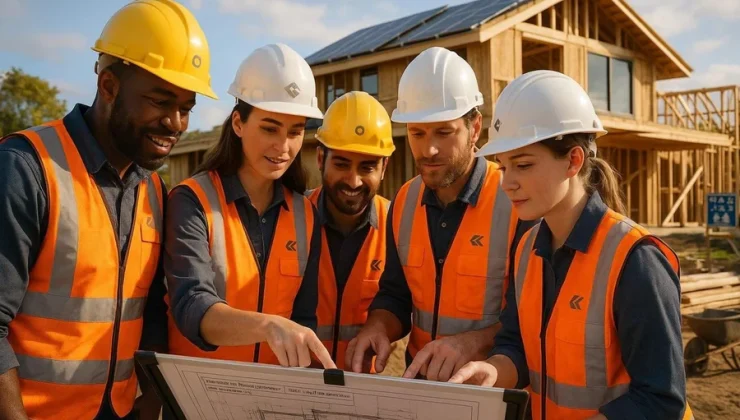
Hiring a construction company can feel confusing, especially with the time, money, and stress involved. The short path to avoiding problems is clear: be thorough, be careful, and make choices based on solid information.
A bad hire can lead to extra costs, missed deadlines, poor workmanship, and legal trouble. This article explains the most frequent mistakes people make when choosing a construction partner and gives practical steps to help your project-whether a home remodel or a commercial build-finish strong. To explore a dependable option, visit novaconstructionservices.com.
Success starts well before the first day on site. It starts with picking the right team, a choice that can shape the entire job. Many owners, from first-time homeowners to experienced developers, fall into common traps that can derail even the most carefully planned projects.
Knowing these mistakes is the first key step toward avoiding them and turning a stressful process into a smooth one.
Why Hiring the Right Construction Company Matters
Choosing a construction company is not just another purchase; it supports the whole project. The right partner brings skill, reliability, and a shared goal. The wrong one brings surprise problems that can turn an exciting plan into ongoing stress and extra costs.
Pick a team that gives you confidence and helps your investment deliver the quality you expect.
What Are the Costs of Making the Wrong Choice?
Picking the wrong firm can drain your budget in more ways than one. Beyond paying for bad work, you may face repair costs, extra materials, and even legal fees if disputes arise. Timelines often stretch, which can add costs like extra rent, lost income, or higher interest on loans. The stress of delays and unreliable work can also hurt your well-being and productivity.
Bad work can also reduce your property’s long-term value. Using weak materials or poor methods can cause safety issues and lower market value. A “cheap” bid can end up costing more as you pay to fix problems that quality work would have avoided.
How Poor Selection Impacts Project Quality and Timeline
Project quality depends on the company’s skill and ethics. The wrong contractor may cut corners, use low-grade materials, or hire inexperienced crews. The result can be unsafe work, frequent repairs, and a final product that does not match your vision.
Timelines often suffer too. Delays may come from weak project management, unreliable subs, trouble getting materials, or a lack of commitment. Each delay adds overhead, disrupts plans, and causes stress. A project that drags on can affect move-in dates and business operations.
1. Skipping Thorough Research and Vetting
One of the biggest mistakes is rushing the choice without careful research. You wouldn’t buy a car without checking its history; don’t hand over your build to a company you haven’t checked out. A friendly handshake deal can still lead to confusion and legal trouble. Careful research is your first line of protection against costly errors.
What Research Should You Do Before Hiring?
Before you start interviewing companies, learn the basics of your project type. Read articles, watch how-to videos, and talk to experts. This helps you ask better questions and spot red flags like corner-cutting or unrealistic promises.
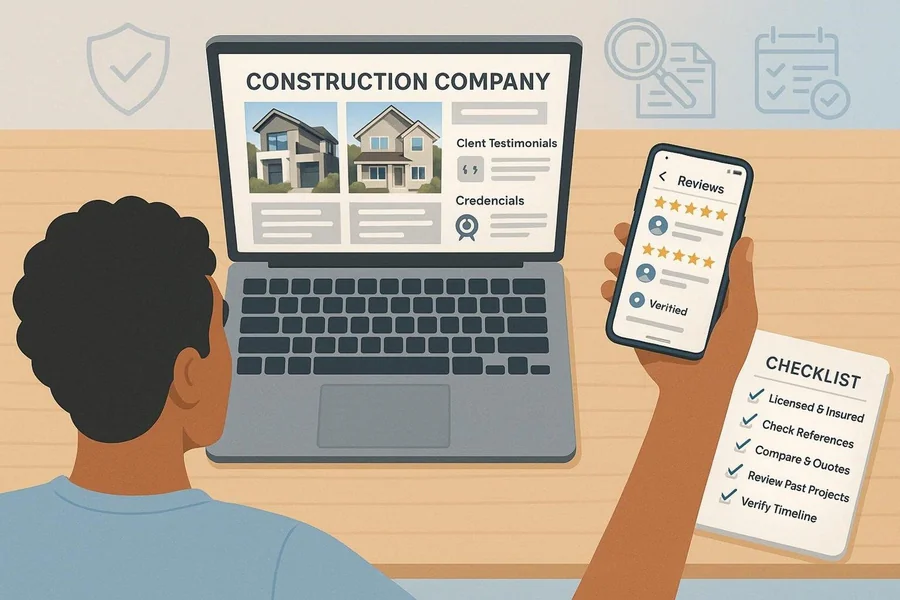
Also, look into each company. Review their website, social media, and listings. Check the kinds of projects they show and any case studies or testimonials. This helps you build a shortlist of firms that match your needs and show professionalism.
Why Checking References and Reviews Is Important
Reviews and references offer real feedback on performance. Sites like the Better Business Bureau (BBB) list ratings, reviews, and complaint history. Look for patterns like delays, budget issues, or poor communication. Don’t just skim the stars-read the details.
When you call references, bring a list of questions. Ask about timing, budget, quality of work, and communication style. Ask whether the contractor fixed issues and if the client would hire them again. These conversations give you context that online reviews often miss and help match promises with reality.
How to Verify Past Projects and Experience
Past work shows real capability. Ask for a portfolio with projects similar to yours in size and difficulty. Request details on challenges they faced and how they solved them. If you can, visit an active or recently finished job site. Watching a crew at work shows organization, attention to detail, and professionalism, and lets you see how they interact with clients and their team.
Ask about experience in your specific project type. A residential remodeler may not be the best choice for a large commercial build, and the reverse is also true. Look for a proven record in your niche. Companies with many years in the field are more likely to spot problems early and adjust quickly, saving time, money, and stress.
2. Overlooking Licensing, Insurance, and Permits
Skipping licensing, insurance, and permits is risky and can lead to legal and financial trouble. These are not just paperwork-they protect you, the contractor, and the project. Working without them might seem faster or cheaper at first, but one accident or inspection can cause major fallout.
What Licenses and Certifications Should a Construction Company Have?
Most regions require specific licenses for construction companies. Check that the company holds the right general contractor license for your area and project type. Some trades-like asbestos or mold work-need special certifications. Confirm that all licenses and certifications are current. Reputable firms will share proof without delay.
Consider whether your project needs special skills, such as structural changes, energy-efficient building, or smart tech. Ask for proof of training or certifications in those areas. BBB accreditation often confirms active licensing and insurance, which adds peace of mind.
Why Confirming Insurance Protects Your Investment
Insurance is non-negotiable. Without it, you could be responsible for accidents or damage on your property. Check for two main policies: general liability (covers property damage and third-party injuries) and workers’ compensation (covers injured employees).
| Insurance Type | What It Covers |
| General Liability | Damage to property, injuries to third parties, and related claims |
| Workers’ Compensation | Medical costs and lost wages if crew members are hurt on the job |
Don’t just take their word for it. Ask for a certificate of insurance sent directly from their insurer so you know the policy is active, fits your project, and has proper limits. Confirming insurance is a key step in reducing risk.
How to Make Sure Proper Permits Are Secured
Building permits show that your project meets local codes, zoning rules, and safety standards. Skipping permits can trigger fines, forced removal of work, legal trouble, and trouble selling later. Many insurers also exclude coverage for damage tied to unpermitted work.
Before work starts, agree on who will pull permits and put that in the contract. A professional will know local rules and handle the process. If you’re in an HOA, follow their rules too; fines or liens are possible if you don’t. Keep copies of permits, HOA approvals, and inspection reports.
3. Choosing Based Solely on Price
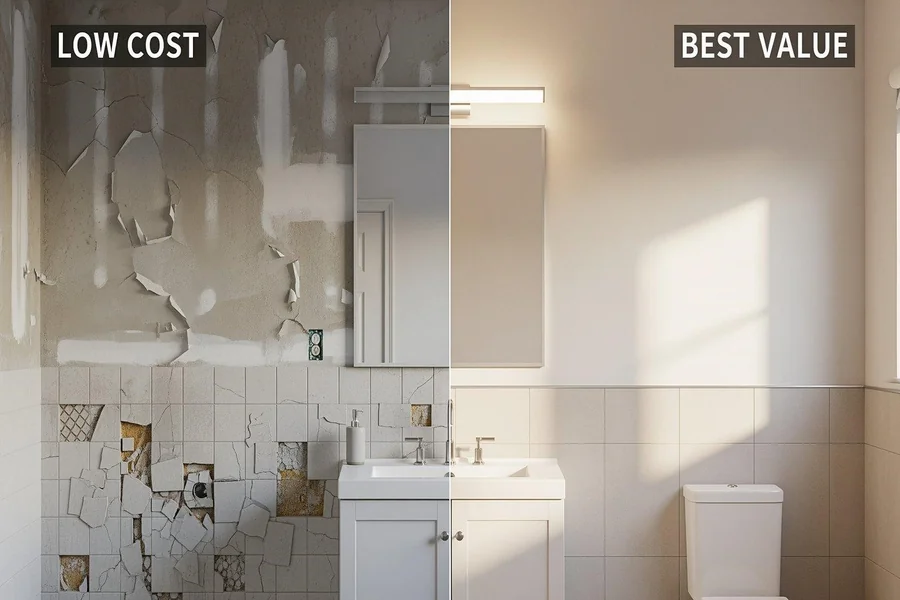
Everyone wants a good deal, but picking the lowest bid alone often leads to bigger bills and headaches later. Price matters, but it should not be the only deciding factor. In construction, the cheapest option rarely equals the best value.
Why Lowest Cost May Not Mean Best Value
A very low bid may hide problems. The contractor may use weak materials, underpaid or inexperienced labor, or skip key parts of the job. These choices lower quality and shorten the life of your project, leading to repair costs or rework. You often get what you pay for.
A low bid can also mean the contractor did not plan well or misread the scope. They may not include delays, contingencies, or real costs. This can lead to many change orders and surprise charges that erase any early savings. A fair price from a solid company often costs less in the end.
How Unrealistic Bids Can Signal Problems
Gather at least three bids to see the going rate. If one is much lower than the rest, treat it as a warning sign. The contractor may be inexperienced, desperate for work, or planning to add hidden fees or cut quality to make the numbers work. A skilled contractor can explain their pricing clearly.
Very low bids may also leave out important items to look cheaper. Later, those missing pieces get billed as “extras.” Read bids closely for clear details. Check that the proposal covers your full scope. Choose value-experience, reputation, quality, and a realistic budget-over the lowest number.
4. Failing to Compare Complete and Detailed Bids
After you collect bids, the next key step is a careful comparison. Don’t just look at the total price. Read what each contractor is actually offering. Incomplete or vague bids cause trouble later and make it hard to compare fairly.
What Should a Transparent Bid Include?
A clear, thorough bid removes guesswork. Look for a full breakdown of labor, materials, and subcontracted work. Material specs should name brands, grades, and quantities. The scope of work should describe each task from demo to final punch list, so nothing is left open to interpretation.
Also look for a realistic schedule with milestones, a payment plan tied to progress, and a written process for change orders. The bid should state who handles permits and inspections and list warranties on labor and materials. If a bid is vague or missing these parts, consider it a warning sign.
How to Compare Apples to Apples with Proposals
Use a consistent scope and specs for all bidders. If you issued an RFP, check that each firm addressed every item. Be careful with bids that are much higher or lower than average; they may reflect missing items or padded costs.
Create a checklist or simple spreadsheet to rate each bid. Look hard at exclusions-what is not included? That’s where surprise costs often hide. Ask about differences in material quality, labor hours, or methods. A solid contractor can explain their approach and pricing. Ask for clarifications before choosing. Pick the bid that is competitive, clear, and aligned with your expectations.
5. Not Reviewing Contract Terms Carefully
The contract is the base of your project. It defines rights and duties for everyone involved. A common mistake is signing without fully reading or understanding it. A detailed contract helps prevent disputes, missed dates, and unmet expectations.
Which Contract Clauses Raise Red Flags?
Watch for vague scope language. The contract should spell out what will be done. Be careful with large upfront payments, especially above 10-33% of the total. This can put you at risk if the contractor walks away. Also be careful with contracts that lack clear change order rules; changes will happen, and you need a process.
Other red flags: no timeline or milestones, weak warranty info, or terms that heavily favor the contractor. The contract should state who pulls permits, manages subs, and handles cleanup. Never sign a contract with blanks or missing pages.
How to Clarify Payment Schedules and Warranty Terms
Payments should match progress, not dates. Pay when specific milestones are met and work is verified. Avoid large upfront payments or full payment before completion. Keep receipts and a clear paper trail.
Warranties should explain what is covered, for how long, and how to file a claim. Confirm whether both labor and materials are covered. If anything is unclear, ask for better terms. If needed, talk to a lawyer before you sign.
6. Ignoring Subcontractors and Supplier Relationships
You hire the general contractor, but they rely on subs and suppliers. Overlooking these partners can harm your project. A general contractor is only as strong as the people and vendors they bring in.
Why the Quality of Subcontractors Matters
Subs handle key trades like plumbing, electrical, roofing, and HVAC. Their work affects safety, performance, and finish quality. Poorly vetted subs can cause uneven work, delays, and safety risks.
Ask how the general contractor selects and manages subs. Do they keep long-term relationships with trusted trades, or pick the lowest price each time? Request info on key subs and, if possible, check credentials or references. Make sure your contractor is responsible for sub work so you have one point of contact for fixes.
How to Check for Reliable Supplier Networks
Good materials matter as much as good labor. Reliable contractors work with trusted suppliers to get quality products at fair prices and on time. Frequent supplier changes or bargain-bin materials can weaken durability and appearance.
Ask about their suppliers. What brands do they use? How do they check quality? What if a material is delayed? A prepared contractor has backup plans and shares product specs. A steady supplier network helps your project last and look good.
7. Underestimating the Importance of Communication
In construction, clear communication keeps projects on track. Ignoring it leads to confusion, delays, extra costs, and failed outcomes. Without steady updates and honest talk, even well-planned work can go off the rails.
How Communication Affects Project Success
Good communication keeps everyone aligned on expectations, progress, and problems. When it breaks down, people disagree about scope, materials, timing, and costs. That leads to mistakes, rework, and delays.
Contractors who share updates and bring up issues early create a cooperative setting. They build trust, help you decide faster, and keep the job moving. Regular reports, clear records of decisions, and scheduled meetings are good signs.
What Questions Reveal a Contractor’s Responsiveness?
Watch how a contractor communicates during the first calls and meetings. Do they reply quickly? Are their answers clear and detailed? Slow or vague replies now often mean trouble later.
Ask about their communication plan: Who is your main contact? How often will you get updates (daily, weekly, bi-weekly)? What tools do they use (phone, email, software, site meetings)? How do they handle approvals, RFIs, and change orders? A clear plan shows respect for your time and budget.
8. Disregarding Project-Specific Experience
A contractor may have an impressive general portfolio but still be the wrong fit for your specific job. Different project types, local rules, and owner needs call for focused know-how. Assuming general experience is enough can cause big problems and weak results.
Why Industry Specialization Can Make or Break a Project
Each project type has its own rules and challenges. A commercial retail build is not the same as a home renovation. A kitchen remodeler may not have the tools or knowledge for a large multifamily project. A company that builds new homes may struggle with historic preservation or complex custom designs.
Specialization means knowing the materials, methods, codes, and common traps for that project type. With that insight, a contractor can spot risks early, keep the work efficient, and deliver higher quality.
How to Check Alignment with Your Project Type
Look for portfolios that match your project closely. Don’t just ask if they’ve done similar work-ask for case studies, references, and photos.
During interviews, ask specific questions: What challenges did you face on similar jobs? How did you solve them? How did you handle design coordination, material choices, and code issues? In regions with special climate or soil conditions-like the hot, dry climate of the Rio Grande Valley-local experience matters a lot. A contractor who knows the area can handle challenges faster and avoid costly setbacks.
9. Neglecting to Plan for Contingencies
Construction often brings surprises: weather, price spikes, hidden damage, or design tweaks. Skipping contingency planning can stretch your timeline, blow your budget, and raise stress. A good plan leaves room for surprises.
How a Lack of Emergency Budget Leads to Delays
Without a backup budget, surprises can stop work. If you find bad wiring or a weak foundation, you may need extra funds right away. Waiting for financing adds delays and extra costs like extended rentals, more labor, or missed deadlines.
Without a cushion, owners often choose the cheapest quick fix, which can cause more problems later. Set aside 10-15% of the total budget for surprises so the job can keep moving.
What Contingency Provisions Should Be in Place?
Money is part of it, but process matters too. Your contract should spell out how change orders work-how they’re approved, priced, and scheduled. That keeps changes organized and avoids arguments.
Talk about likely risks with your contractor early. What surprises are common on similar jobs? How do they handle them? A prepared team will point out risks and explain their plan, such as extra time for weather or supply delays. With both a cash cushion and a clear process, you build a solid setup that can handle surprises and keep the project on track.
How to Avoid Common Mistakes When Hiring a Construction Company
Avoiding these mistakes comes down to careful research, clear communication, and steady decision-making. Give yourself the info you need and take each step with purpose. Don’t rush or guess-favor quality, clarity, and a strong working relationship.
Checklist for Screening Construction Companies
To keep your selection process organized, build a thorough checklist that covers:
- Verify Licensing & Insurance: Confirm current general contractor licenses and active general liability and workers’ compensation policies. Ask for proof from their insurer.
- Review Portfolio & Experience: Look closely at similar past projects. Seek a clear record of success in your project type.
- Check References & Reviews: Call former clients and read reviews on trusted sites like the BBB. Ask specific questions about schedule, budget, quality, and communication.
- Check Communication Style: Watch how quickly and clearly they respond during early talks.
- Scrutinize Bids: Make sure bids are detailed and clear. Compare apples to apples on costs, materials, and timelines.
- Ask About Subcontractors & Suppliers: Learn how they vet subs and which suppliers they use for key materials.
- Discuss Project Management: Ask how they handle scheduling, quality checks, and site supervision.
- Clarify Warranty & Post-Completion Support: Get clear terms for labor and materials and how to request fixes after completion.
- Evaluate Local Expertise: For region-specific jobs, confirm knowledge of local rules, climate, and common issues.
Using a checklist like this helps you compare companies fairly and pick with confidence.
Questions to Ask Before Signing a Contract
Before you sign, ask final questions to clear up details and set expectations:
- “What is your exact process for handling change orders, including approval, pricing, and impact on the timeline?”
- “Can you walk me through the entire payment schedule, explaining what milestones each payment is tied to?”
- “Who will be my dedicated point of contact throughout the project, and what are their typical hours of availability?”
- “How do you typically manage project delays, and what provisions are in place for unforeseen circumstances?”
- “What is your approach to quality control and making sure the project meets all building codes and my specifications?”
- “Can you provide a detailed list of all materials to be used, including brands and specifications?”
- “What are the specifics of your warranty on both workmanship and materials, and what is the process for filing a claim?”
- “Who is responsible for obtaining all necessary permits and scheduling inspections, and how will I be kept informed of their status?”
- “How do you keep the site clean and safe during the project?”
- “What is your protocol for communication if there are significant issues or emergencies on site?”
These questions focus on daily practices, not just promises. The answers show how the contractor works and whether they fit your needs.
Key Takeaways for a Successful Construction Project
Starting a construction project is a big step. Picking the right partner and planning well help you avoid common problems from start to finish.
What to Prioritize for Best Results?
Keep these points at the front of your decision-making:
- Value over price: Budget matters, but don’t let the lowest bid decide. Pick proven quality, real experience, and a clear plan that aims for lasting results.
- Clear communication: Work with a contractor who shares updates often, answers questions, and deals with issues early. This builds trust and prevents confusion.
- Thorough vetting: Put in the time to check licenses, insurance, references, and past work. This protects your money and reduces risk.
Your home or commercial property is a major investment. It deserves careful choices about who works on it. By focusing on value, clarity, and careful screening, you raise the odds of a smooth build and a final result that matches your vision and holds up over time. A trusted partnership is the real foundation of every successful project.