A Practical Guide to Handling Home Water Emergencies
Recognizing Clean Water Incidents
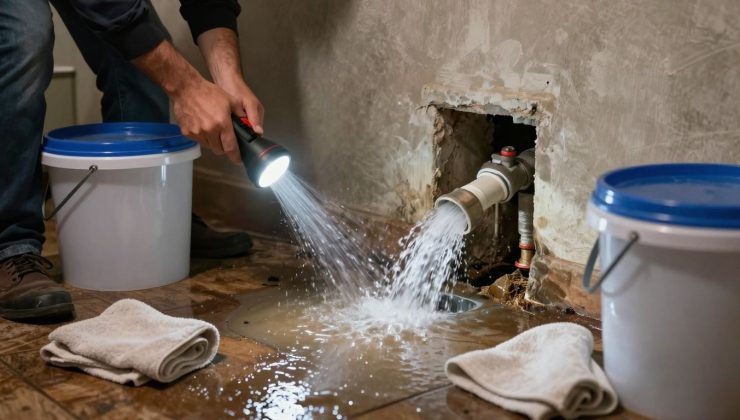
Clean water incidents happen when the water source is pure and hasn’t been contaminated. Think of a leaky pipe in your ceiling or an overflowing sink. This type of water damage is generally the easiest to deal with. The key is acting fast. Even clean water can become a problem if it sits too long, leading to mold and other issues. Homeowners can often manage clean water damage themselves with basic cleanup tools and good ventilation. It’s important to remember that what starts as clean water can quickly turn into a more serious situation if not addressed promptly.
Identifying Gray Water Issues
Gray water comes from sources that have some contaminants, but aren’t necessarily sewage. Examples include water from washing machines, dishwashers, or even toilets that haven’t been contaminated by waste. While not as dangerous as black water, gray water still poses health risks. It can contain food particles, grease, and other substances that can lead to mold growth and unpleasant odors. When dealing with gray water, it’s wise to wear protective gear like gloves and boots. Thorough cleaning and sanitization are also very important to prevent any lingering bacteria. Proper handling of gray water is a step towards preventing bigger problems.
Addressing Black Water Emergencies
Black water emergencies are the most serious type of water damage. This is water that is heavily contaminated and can contain raw sewage, chemicals, or floodwaters from rivers or lakes. Exposure to black water can cause severe health problems due to the high levels of bacteria and viruses. Never attempt to clean up black water yourself. It requires specialized equipment and training to handle safely. Professionals are equipped to deal with the extreme hazards associated with black water, including thorough disinfection and containment. Addressing black water emergencies promptly and correctly is vital for the health and safety of everyone in the household.
Immediate Steps For Water Damage Mitigation
Discovering water damage in your home can be unsettling, but acting fast is key to minimizing harm. The first few hours are critical for limiting the spread and severity of the problem. Homeowners often feel overwhelmed, but a structured approach can make a big difference.
Prioritizing Safety After Water Intrusion
Before anything else, personal safety must come first. Water can mix with electrical wiring, creating a serious shock hazard. If water has entered areas with electrical outlets or appliances, turn off the power to those zones at the main breaker box immediately. Also, be aware of potential structural weaknesses; sagging ceilings or warped floors could indicate a collapse risk. Keep children and pets away from affected areas until they are deemed safe.
Stopping The Source Of Water
Once safety is addressed, the next crucial step is to stop the flow of water. If a pipe has burst, locate the main water shut-off valve for your house and close it. For smaller leaks, like a overflowing sink, turning off the water supply to that fixture might suffice. If you can’t identify the source or safely stop it, don’t hesitate to call a plumber. Continuing to let water flow will only worsen the water damage.
Documenting Damage For Insurance
After the immediate crisis is managed, thorough documentation is vital for insurance claims. Take clear photos and videos of the damage before you start moving or cleaning items. Capture the extent of the water intrusion, damaged belongings, and any visible mold growth. Create a detailed list of all affected items, noting their approximate age and value. This record-keeping is essential for a smooth insurance process and helps in assessing the full scope of the water damage.
Essential Water Preparedness For Your Household
Calculating Your Household’s Water Needs
When disaster strikes, clean water often disappears fast. Broken pipes, contaminated supplies, or just limited access can make a bad situation much worse. That’s why having a plan for emergency preparedness water is key for any home. It’s not just about having water; it’s about making sure that supply is clean, enough, and stored right.
Experts suggest planning for at least one gallon per person, per day. If you want to cover sanitation, cooking, and cleaning, aim for three gallons. This simple calculation helps you figure out the minimum amount needed for survival.
Here’s a quick look at daily needs:
| Person Type | Drinking Water (Gallons/Day) | Total Water (Gallons/Day) | |
| Adult | 1 | 3 | |
| Child | 1 | 3 | |
| Infant | 1 (for formula/mixing) | 3 (includes sanitation) | |
| Pet (Medium) | 1 | 1 |
Safe Storage Methods For Emergency Water
Storing water correctly is more than just filling old bottles. It’s about making sure the water is clean, easy to get to, and safe when you actually need it. Improperly stored water can go bad, leak, or even grow mold, making it useless or dangerous. We’ve seen families prepare, only to find their supply spoiled when the time came.
Proper storage means picking the right container, putting it in the right spot, and checking it regularly. It’s about building a reliable supply you can count on. Think about multiple storage spots around the house and a system for rotating your supply. This helps avoid common mistakes and keeps your water fresh.
Proper storage is key to having a trustworthy water supply when you need it most.
Purification Techniques For Contaminated Water
When your tap water becomes unsafe, knowing how to purify it is vital. Even water that looks clear can hide dangers. During emergencies, people have gotten sick from using water they assumed was safe.
Simple methods can make water drinkable. Boiling water for 5-10 minutes kills most germs. A bleach solution can also work, but you need the right amount. For clear water, use about 8 drops of unscented bleach per gallon. For cloudy water, double that amount. Always check for “do not drink” warnings from local officials.
Here are some common purification methods:
- Boiling: Effective for killing most pathogens.
- Bleach: A readily available disinfectant.
- Water Filters: Portable filters can remove particles and some contaminants.
- UV Purifiers: Use ultraviolet light to neutralize microorganisms.
Special Considerations For Water Emergencies
Water Planning For Large Families
When disaster strikes, having enough water for everyone is a big deal. Large families need to think bigger. It’s not just about drinking water; it’s about cooking, cleaning, and hygiene for many people. Planning for at least seven days is a good start, but for larger households, aiming for more might be wise. Think about how much water each person uses daily and multiply that by the number of family members and the days you want to cover. This helps avoid running out when you need it most.
A robust water plan accounts for everyone’s needs. This means calculating daily usage for each individual. For instance, a family of five might need 15 gallons a day if aiming for three gallons per person for drinking, cooking, and sanitation. Storing this amount requires space and proper containers. Rotating this supply regularly is also key to keeping it fresh and safe.
Consider a simple chart to track your family’s water needs. This makes the planning process clearer and helps you visualize the quantity required. It’s a practical step that makes a big difference during a stressful event. Having a well-thought-out plan for your large family’s water supply can prevent a lot of worry.
Meeting The Needs Of Infants And Children
Little ones have special water needs during emergencies. Babies and young children dehydrate faster than adults. This makes having enough clean water for them super important. It’s not just for drinking; it’s for preparing formula, cleaning bottles, and maintaining hygiene. A standard water plan might not be enough for infants and small kids.
Ensure your emergency water supply includes provisions for preparing infant formula and maintaining sanitation for young children. This means having a dedicated amount of clean water set aside specifically for their care. Think about how much water is needed for bottle preparation, sippy cups, and general cleanliness. This extra step is vital for their health and safety.
Planning for children means thinking beyond just hydration. It involves considering all their daily needs that rely on water. Having a surplus of clean water for this age group is a smart move. It provides peace of mind knowing their specific requirements are met during a crisis.
Ensuring Water For Pets During Disasters
Don’t forget your furry friends when planning for water emergencies. Pets need water too, and often more when they’re stressed. A medium-sized dog can drink a gallon a day, especially in hot weather or during a crisis. Relying on puddles or streams isn’t safe; they can carry harmful bacteria or chemicals. Your emergency plan must include water for your pets.
- Collapsible bowls make it easy to give your pet water on the go.
- Lightweight jugs are good for carrying a supply.
- Regularly check pet water containers to ensure they are clean and sealed.
Just like your own water supply, pet water needs to be rotated. This keeps it fresh and safe for them. Planning for your pets’ water needs is a responsible part of household emergency preparedness. It shows you’ve thought through all members of your family, including the four-legged ones.
Pets react to crisis just like people do: their routines are disrupted, their instincts are heightened, and their physical needs increase. If your emergency water supply doesn’t account for them, you may find yourself making difficult choices.
Preparing A Water-Ready Go Bag
When disaster strikes and you need to leave your home quickly, a pre-packed go bag is a lifesaver. For water emergencies, this bag needs specific items to help you access and purify water on the move. You can’t carry gallons, but you can pack smart tools. Having a water-ready go bag means you’re prepared for immediate needs when you can’t rely on your home’s supply.
Essential Water Tools For Evacuation
Your go bag should contain items that are lightweight and multi-purpose. Think about what you’ll need to get clean water when you’re away from home. These tools are designed for portability and quick use in uncertain situations. They are key components of any emergency preparedness water plan for evacuation.
Lightweight Water Containers
Carrying water is important, but so is saving space. Collapsible water pouches are excellent for this. They fold down flat when empty, taking up minimal room in your bag. When filled, they provide a way to store and transport water safely. Having a few of these can make a big difference in your ability to stay hydrated.
Portable Water Purification Methods
Even if you find a water source, it might not be safe to drink. That’s where portable purification methods come in. Water purification tablets are small, light, and effective at killing bacteria and viruses. A portable straw filter allows you to drink directly from streams or lakes, filtering out contaminants as you sip. These methods are vital for making questionable water sources safe for consumption, forming a critical part of your emergency preparedness water strategy.
When To Seek Professional Water Damage Restoration
Sometimes, a water problem is more than just a leaky faucet. Homeowners often find themselves in over their heads when water damage gets serious. Knowing when to call in the pros can save a lot of headaches and prevent bigger issues down the line. It’s not about admitting defeat; it’s about smart problem-solving.
Identifying Situations Requiring Expert Help
Not all water damage is created equal. If you’re dealing with black water – think sewage backups or floodwaters – it’s a definite sign to step back and call professionals. This type of water is full of nasty stuff that’s bad for your health. Also, if mold starts showing up in large patches, say, more than a 10-square-foot area, that’s another red flag. Water that has spread to multiple rooms or floors, or if you suspect structural damage like sagging ceilings or warped walls, means it’s time to get expert eyes on the situation. Electrical systems getting wet is also a major safety concern that requires professional attention.
Benefits Of Professional Water Damage Restoration
Professionals bring specialized tools and knowledge to the table. They have industrial-grade drying equipment that can get your home dry much faster and more thoroughly than fans and dehumidifiers you might rent. This speed is key to preventing further damage, like mold growth or structural weakening. They also know how to properly handle contaminated water and can assess hidden damage you might miss. Getting professional water damage restoration means your home is more likely to be restored to its pre-loss condition safely and effectively. They can also help with the often-confusing insurance paperwork, making the whole process smoother.
Preventing Future Water Damage Incidents
After dealing with a water emergency, the last thing anyone wants is a repeat performance. A good first step is regular maintenance. Check plumbing connections, especially those on washing machines, and consider replacing hoses every few years. Keep gutters and downspouts clear to ensure water flows away from your foundation. Inspect your water heater for any signs of leaks. For those in flood-prone areas, a sump pump can be a lifesaver. Installing water leak detection systems can also provide early warnings. Taking these steps can save you a lot of trouble and money in the long run.
Staying Prepared for Water Emergencies
Dealing with water emergencies at home can be stressful, but being ready makes a big difference. Knowing how to store water, how to clean it if needed, and what to do when damage happens can help keep your family safe. It’s not about having perfect plans, but about taking steps to be prepared. Thinking ahead, even with simple actions like having extra water on hand or knowing how to shut off the main water line, can help manage unexpected situations much better. Remember, preparedness is key to handling these events with more confidence.